Fermented foods have taken the wellness world by storm, and homemade fermented pickles are at the forefront of this old-fashioned tradition. Beyond their crunchy texture and tangy flavor, these pickles offer significant benefits for gut health, thanks to the live probiotics created during natural fermentation. Whether you’re a seasoned fermenter or just curious about improving digestion through food, understanding the power of homemade fermented pickles can be a game changer for your diet and overall wellbeing.
Fermenting has been a common method of food preservation for all of history. Our ancestors fermented their fresh garden produce out of necessity but thanks to some modern advancements we have been able to determine that fermented vegetables actually have tons of benefits!
Some of the links in this post are affiliate links, meaning I may earn a small commission at no extra cost to you if you make a purchase through them. Thank you for supporting my blog!
What Are Lacto-Fermented Pickles?
Homemade fermented pickles are cucumbers preserved through a natural process called lacto-fermentation. In this process, beneficial bacteria — primarily lactic acid bacteria — convert the natural sugars in cucumbers into lactic acid. This acid acts as a natural preservative and creates the signature sour taste of fermented pickles.
Unlike commercial vinegar-based pickles, which rely on acidic vinegar and often undergo pasteurization, fermented pickles are alive with beneficial bacteria. These live cultures provide probiotics that can help balance the gut microbiome and improve digestive health.
What Is the Salt to Water Ratio for Fermented Pickles?
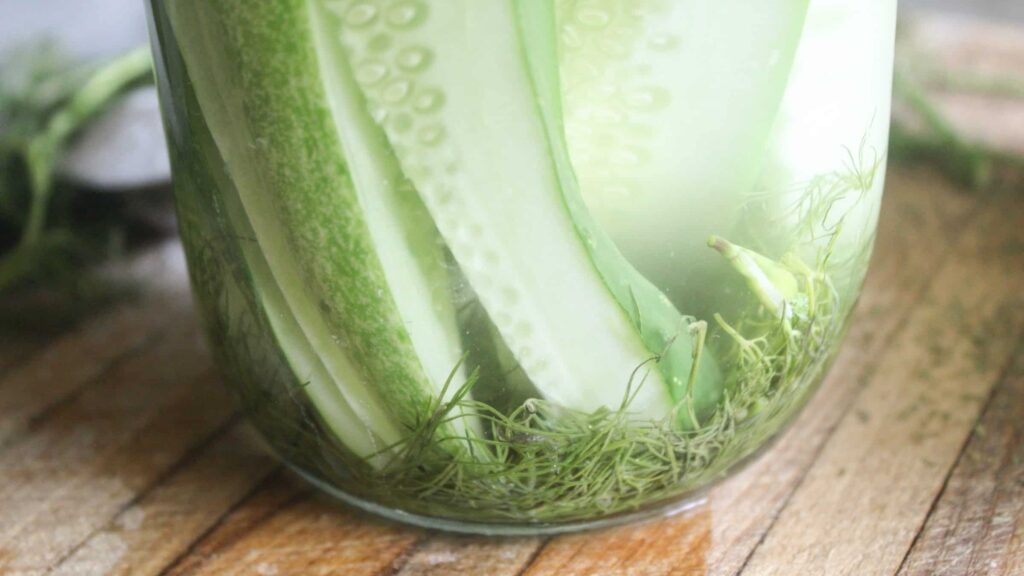
Fermentation is one of the oldest food preservation methods known to humans. Lactic acid bacteria thrive in saltwater brine, feeding on sugars found naturally in cucumbers and producing lactic acid as a byproduct. This acid lowers the pH of the environment, making it inhospitable to harmful bacteria but perfect for the beneficial ones.
It is important to start with the right salt – this one is my favorite for fermenting and canning. You CAN’T use an iodized salt as this will mess up the fermentation process.
2% to 3% salt by weight — meaning for every 1 liter (about 4 cups) of water, use roughly 20 to 30 grams of salt.
In volume terms, that’s approximately 2 to 3 tablespoons of non-iodized salt (like kosher salt or pickling salt) per quart of water.
Why Are Homemade Fermented Pickles Good for Gut Health?
1. Rich Source of Probiotics
One of the biggest reasons to include homemade fermented pickles in your diet is their probiotic content. Probiotics are “good” bacteria that support the digestive system by maintaining a healthy balance of gut flora. These microorganisms aid in digestion, enhance nutrient absorption, and support immune function.*
Many store-bought pickles are pasteurized, which kills off probiotics, but homemade fermented pickles retain these beneficial bacteria because they are not heated during the process.
3. May Improve Immunity
Approximately 70% of the immune system resides in the gut. A balanced gut microbiome, supported by probiotics, plays a crucial role in protecting against infections and regulating inflammation.
Fermented foods like homemade pickles can support this balance and thus indirectly boost immune resilience.
4. Natural Source of Vitamins and Enzymes
Fermentation increases the bioavailability of certain nutrients, including B vitamins and vitamin K2. These vitamins are vital for energy metabolism, blood clotting, and bone health. Enzymes produced during fermentation can also help your body digest food more efficiently.
How Do Homemade Fermented Pickles Differ from Other Pickles?
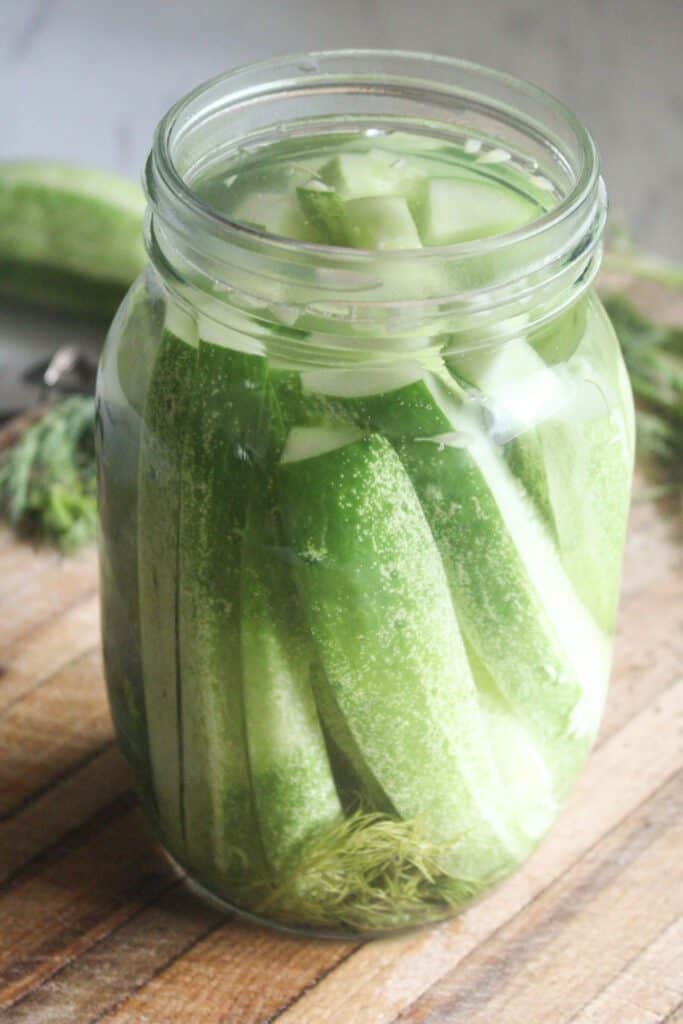
- Fermented Pickles: Made by fermenting cucumbers in a saltwater brine, resulting in a probiotic-rich, tangy, and crunchy product.
- Vinegar Pickles: Made by soaking cucumbers in vinegar-based solutions, often pasteurized, which eliminates live bacteria and probiotics.
- Refrigerator Pickles: Quick pickles stored in the fridge without fermentation or pasteurization, often lacking probiotics.
Homemade fermented pickles stand out because they combine natural preservation with probiotic benefits, making them both tasty and healthy.
How to Make the Best Homemade Fermented Pickles
Choose the Right Cucumbers
Pick small, firm cucumbers labeled as “pickling cucumbers.” Larger slicing cucumbers often have more seeds and water content, which can affect the texture of your pickles. Although, my garden cucumbers had lots of seeds and it was not an issue for me.
Use Non-Iodized Salt
Iodized salt can inhibit fermentation by killing beneficial bacteria. Sea salt, kosher salt, or pickling salt are best choices.
Keep Cucumbers Submerged
During fermentation, cucumbers need to stay below the brine to prevent mold growth. Use fermentation weights or cabbage leaves to keep them submerged.
Maintain Proper Temperature
Fermentation works best between 65°F and 75°F. Too warm and pickles may get mushy; too cold and fermentation slows down.
Be Patient
Fermentation takes time. Depending on conditions and taste preference, pickles typically ferment in 5 to 14 days but can last longer.
Experiment with Flavors
Common flavorings include garlic cloves, fresh dill, peppercorns, mustard seeds, bay leaves, and even horseradish leaves. These add complexity and can also help maintain crispness.
Popular Flavor Variations
- Spicy Pickles: Add sliced jalapeños, red pepper flakes, or horseradish.
- Garlic & Herb: Use garlic cloves, thyme, rosemary, and bay leaves.
- Sweet & Tangy: Add a small amount of grated carrot or apple slices to introduce natural sweetness during fermentation.
- Smoky Pickles: Incorporate smoked paprika or a small piece of smoked wood for subtle flavor.
Naturally Fermented Pickles Recipe
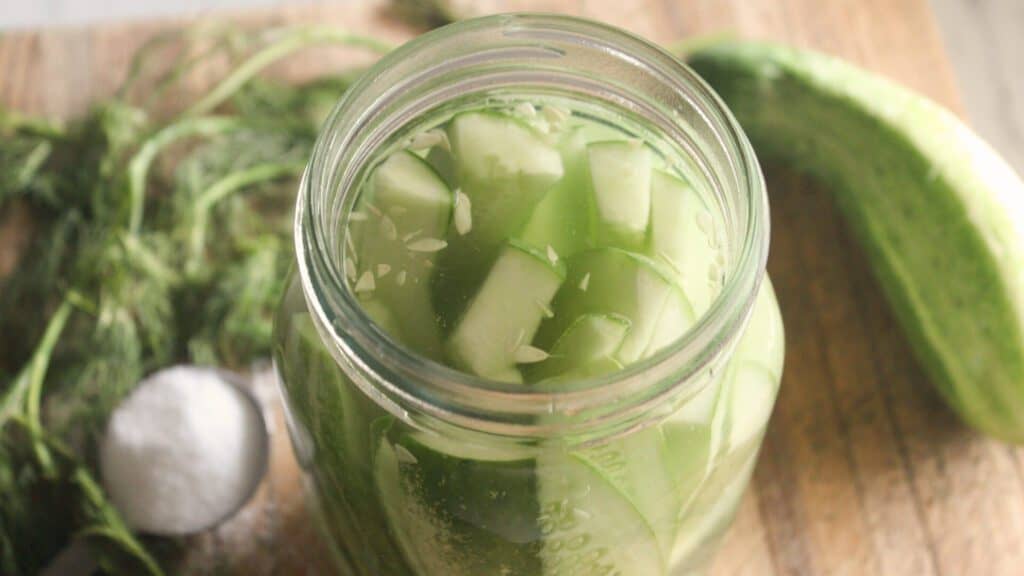
Making your own fermented pickles at home is easier than you might think. Here’s a straightforward recipe to get you started on this gut-healthy journey:
Ingredients
- 2 pounds small pickling cucumbers (fresh and firm)
- 3 cups filtered or distilled water (no chlorine)
- 2 tablespoons non-iodized salt (sea salt or kosher salt)
- 3-4 garlic cloves, peeled (optional)
- 1 bunch fresh dill (or 2 tablespoons dried dill)
- 1 teaspoon black peppercorns (optional)
- 1 teaspoon mustard seeds (optional)
- 1 bay leaf (optional)
Equipment
- 1 quart (or larger) glass jar with a wide mouth
- Fermentation weight or clean small jar to keep cucumbers submerged
- Cloth or paper towel and rubber band to cover the jar
Instructions
- Prepare the Brine: In a clean bowl, dissolve the salt in the filtered water to create your brine. I heated mine on the stove and let it come back to room temperature.
- Prep the Cucumbers: Wash cucumbers thoroughly. Trim off the blossom ends to help maintain crispness.
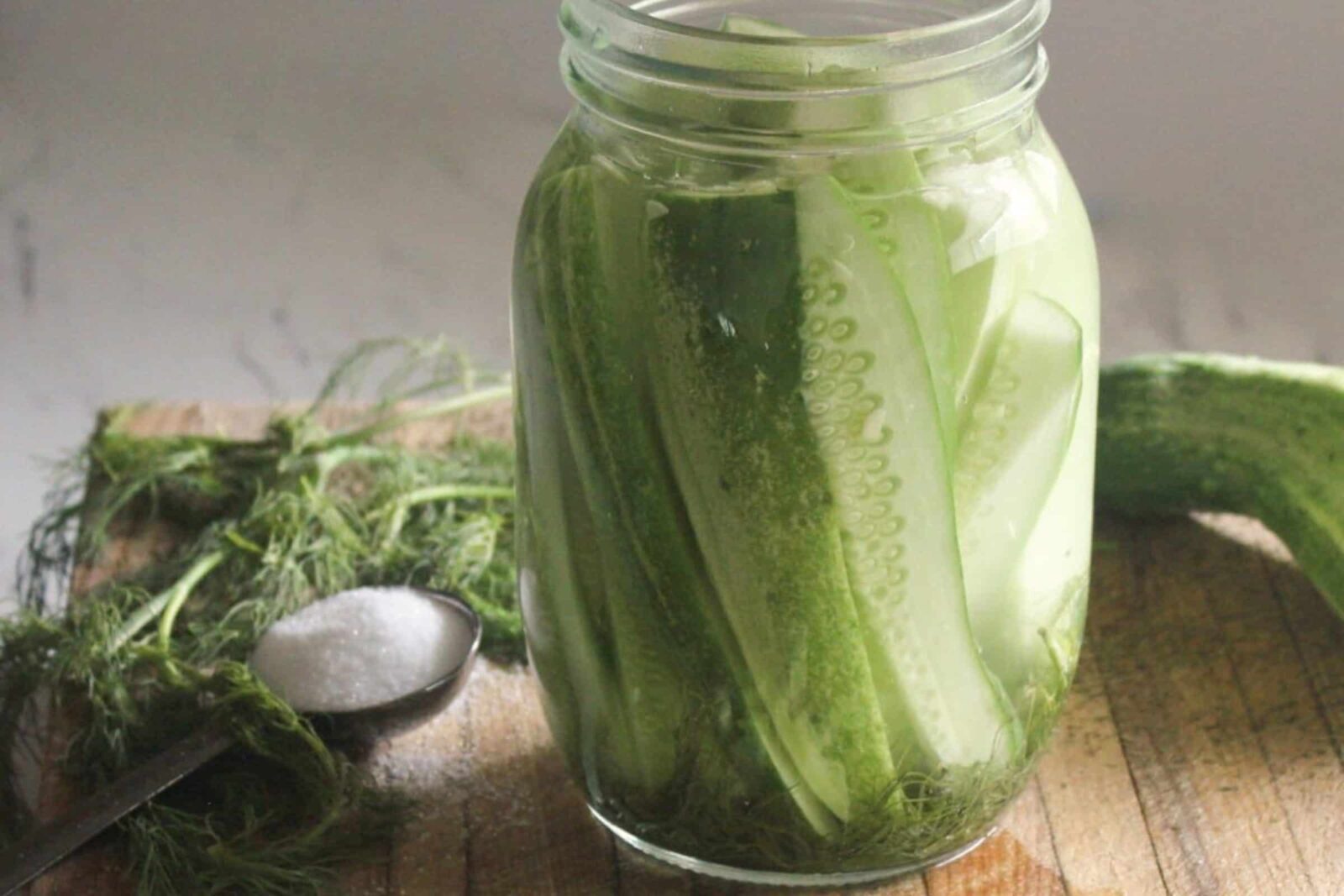
- Pack the Jar: Place garlic cloves, dill, peppercorns, mustard seeds, and bay leaf (if using) at the bottom of the jar. Pack cucumbers tightly but without crushing.
- Add Brine: Pour the brine over the cucumbers until fully submerged. Leave about 1 inch of headspace at the top.
- Weight Down: Use a fermentation weight or a small clean jar to keep the cucumbers submerged beneath the brine.
- Cover and Store: Cover the jar loosely with a cloth or paper towel secured with a rubber band to keep out dust but allow gases to escape. Store the jar at room temperature, ideally between 65°F and 75°F.
- Ferment: Let the cucumbers ferment for 5 to 14 days, tasting every few days after day five. When they reach your desired tanginess, replace the cloth with a tight lid and refrigerate.
Common Issues with Homemade Fermented Pickles
- Soft or Mushy Pickles: This often happens if the cucumbers are overripe or if the fermentation temperature is too warm. To avoid this, use fresh, firm pickling cucumbers and try to keep the fermenting jars in a cooler spot, ideally between 65°F and 75°F.
- White Scum on the Surface (Kahm Yeast): Kahm yeast is a harmless natural yeast that sometimes forms on the surface of your ferment. It looks like a thin, white film and can be safely skimmed off with a clean spoon. It doesn’t affect the flavor or safety of your pickles.
- Mold on the Surface: Mold is different from kahm yeast and is a sign that air has gotten into the ferment or that hygiene was insufficient. If you notice fuzzy or colored mold, discard the batch and start fresh. To prevent mold, always keep cucumbers fully submerged in the brine and use clean jars and utensils.
- Pickles Not Sour Enough: If your pickles don’t develop enough tang, they likely need more fermentation time. Depending on temperature and taste preference, fermentation can take from 5 to 14 days or longer. Be patient and taste daily after day five.
- Excess Saltiness: If your pickles taste too salty, try rinsing them lightly under cold water before eating. You can also reduce the salt amount slightly in your next batch, but remember salt is essential for a safe and successful fermentation.
Common Questions About Homemade Fermented Pickles
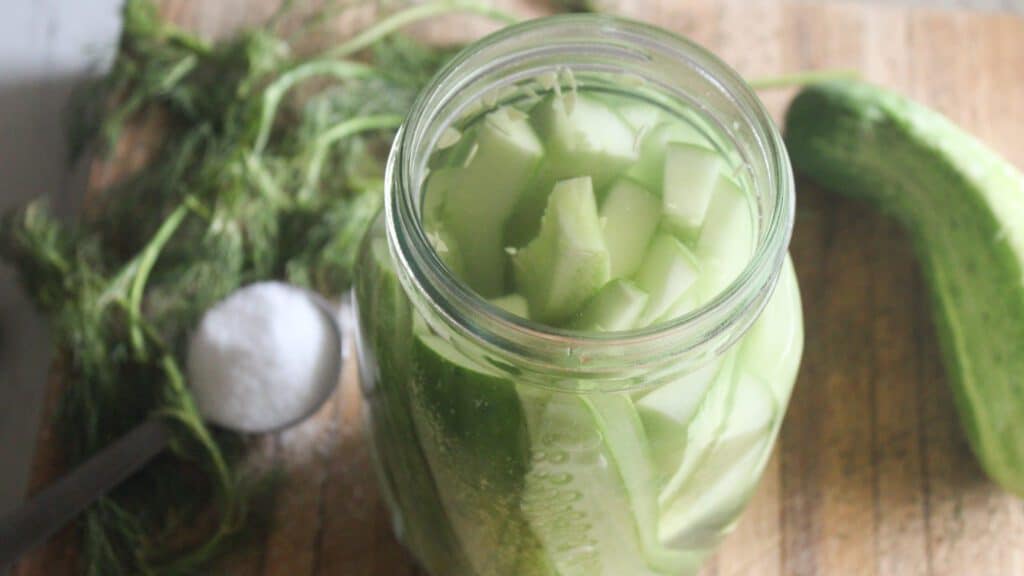
Q: How long do homemade fermented pickles last?
A: When stored in the refrigerator after fermentation, pickles can last several months. Their flavor will continue to develop and may become more sour over time.
Q: Can I use any cucumbers for fermentation?
A: While you can ferment most cucumbers, pickling cucumbers are preferred for their size and firmness, which help produce crisper pickles.
Q: What if I see white scum or bubbles on top of my ferment?
A: White scum, known as kahm yeast, is harmless and can be skimmed off. Bubbles indicate active fermentation and are a good sign.
Q: Are fermented pickles safe to eat?
A: Yes! As long as you follow basic hygiene, keep cucumbers submerged, and discard any ferments with unpleasant odors or mold (different from kahm yeast), homemade fermented pickles are safe and healthy.
Q: Can I ferment other vegetables like cucumbers?
A: Absolutely! Many vegetables like carrots, green beans, cauliflower, and beets also ferment well using similar methods.
Naturally Fermented Dill Pickles
Ingredients
- 2 pounds pickling cucumbers small and firm
- 3 cups filtered water
- 2 tablespoons non-iodized salt sea salt or kosher salt
- 3–4 garlic cloves peeled (optional)
- 1 bunch fresh dill or 2 tablespoons dried dill
- 1 teaspoon black peppercorns optional
- 1 teaspoon mustard seeds optional
- 1 bay leaf optional
Instructions
- Wash cucumbers thoroughly and trim off blossom ends.
- In a bowl, mix the salt and filtered water until the salt is dissolved to create your brine. (you need to use warm or hot water to dissolve the salt then let it come to room temperature).
- Place garlic, dill, peppercorns, mustard seeds, and bay leaf (if using) into the bottom of a clean quart-sized jar.
- Pack the cucumbers vertically into the jar, leaving about 1 inch of headspace.
- Pour the brine over the cucumbers until they are fully submerged.
- Use a fermentation weight or a small clean jar to keep cucumbers below the surface of the brine.
- Cover the jar with a cloth or paper towel secured with a rubber band.
- Store at room temperature (65°F to 75°F) for 5 to 14 days. Taste after day 5 until the desired flavor is reached.
- Once fermented to your liking, seal with a lid and move to the refrigerator. Pickles will keep for several months.
Notes
Homemade fermented pickles are more than just a tasty snack — they’re a powerful tool for supporting your gut health naturally. Packed with live probiotics and nutrients, they help promote digestion, immunity, and overall wellness while delivering rich, complex flavors and satisfying crunch.
Whether you’re new to fermentation or a seasoned pro, incorporating homemade fermented pickles into your diet is a delicious step toward better health. Give your gut some love and enjoy the many benefits of this timeless, fermented favorite.
Check out more recipes HERE!
*nothing in this post is intended to be medical advice, please contact a healthcare provider for more information.

Hi, I’m Ashley — mama, maker, and lover of all things from-scratch. Around here, you’ll usually find me barefoot in the kitchen, covered in flour or beeswax, with kids underfoot and something simmering on the stove. I believe in slow living, simple joys, and the kind of home that smells like cinnamon rolls and sunshine. Find out more about me here.