As the weather cools, I always make a batch of fire cider — a spicy, immune-boosting tonic that’s perfect for cold season. This homemade fire cider recipe uses fresh ginger, horseradish, garlic, onion, hot peppers, and lemon, all infused in raw apple cider vinegar, then sweetened with raw honey for a warming sip. My family swears by it, especially during cold season when the kids are always coming down with something.
You can also use this homemade apple scrap vinegar recipe instead of apple cider vinegar.
In this fire cider recipe, you’ll learn:
- What fire cider is and why it’s so popular
- Health benefits and how to use it daily
- Ingredients, variations, and my personal tweaks
- Step-by-step instructions for making fire cider at home
- Tips for storing it and keeping it fresh
- Answers to common fire cider questions
What Is Fire Cider?
Fire cider is a vinegar-based herbal tonic made from pungent, spicy ingredients steeped for several weeks. Popularized by herbalist Rosemary Gladstar in the 1970s, vinegar infusions like this have been used for centuries.
It gets its name from the fiery kick that hits your taste buds instantly — perfect for clearing sinuses and waking up your senses. Many people take fire cider daily during fall and winter to support their health naturally.
Fair warning: it’s strong, but it’s made a big difference for my family whenever someone gets sick!
Fire Cider Benefits
This immune-boosting fire cider recipe is loved because it’s:
- Immune-supportive: Garlic, ginger, and horseradish have antimicrobial and antioxidant properties
- Digestive-friendly: Apple cider vinegar supports digestion, and spices stimulate circulation
- Sinus-clearing: Hot peppers and horseradish help open nasal passages
- Customizable: Adjust spice levels or add herbs for extra benefits
- Long-lasting: Vinegar preserves the ingredients for months
While it’s not a cure-all, fire cider is a fantastic natural remedy to boost wellness, especially during back-to-school season.
Fire Cider Ingredients (1 Quart)
Core Ingredients:
- ½ cup fresh ginger root, chopped
- ½ cup fresh horseradish root, chopped
- 1 medium onion, chopped
- 10 cloves garlic, crushed (optional, see notes)
- 2–3 small hot peppers, sliced (jalapeño is more kid-friendly)
- 1 lemon, sliced
- 2–3 sprigs fresh herbs (I use rosemary)
- Raw apple cider vinegar or scrap vinegar, enough to cover ingredients
- Raw honey, to taste (added after straining)
Optional Additions:
- Turmeric root + black pepper (anti-inflammatory)
- Orange slices (adds natural sweetness)
- Cinnamon sticks or cloves (warming spice)
Instructions: How to Make Fire Cider
Equipment Needed:
- Quart-sized wide-mouth jar
- Parchment paper (protects lid from vinegar)
- Fine mesh strainer or cheesecloth
- Clean bottles or jars for storage
Steps:
- Prepare ingredients: Wash, chop, and crush all fresh ingredients. Roots don’t need peeling if clean.
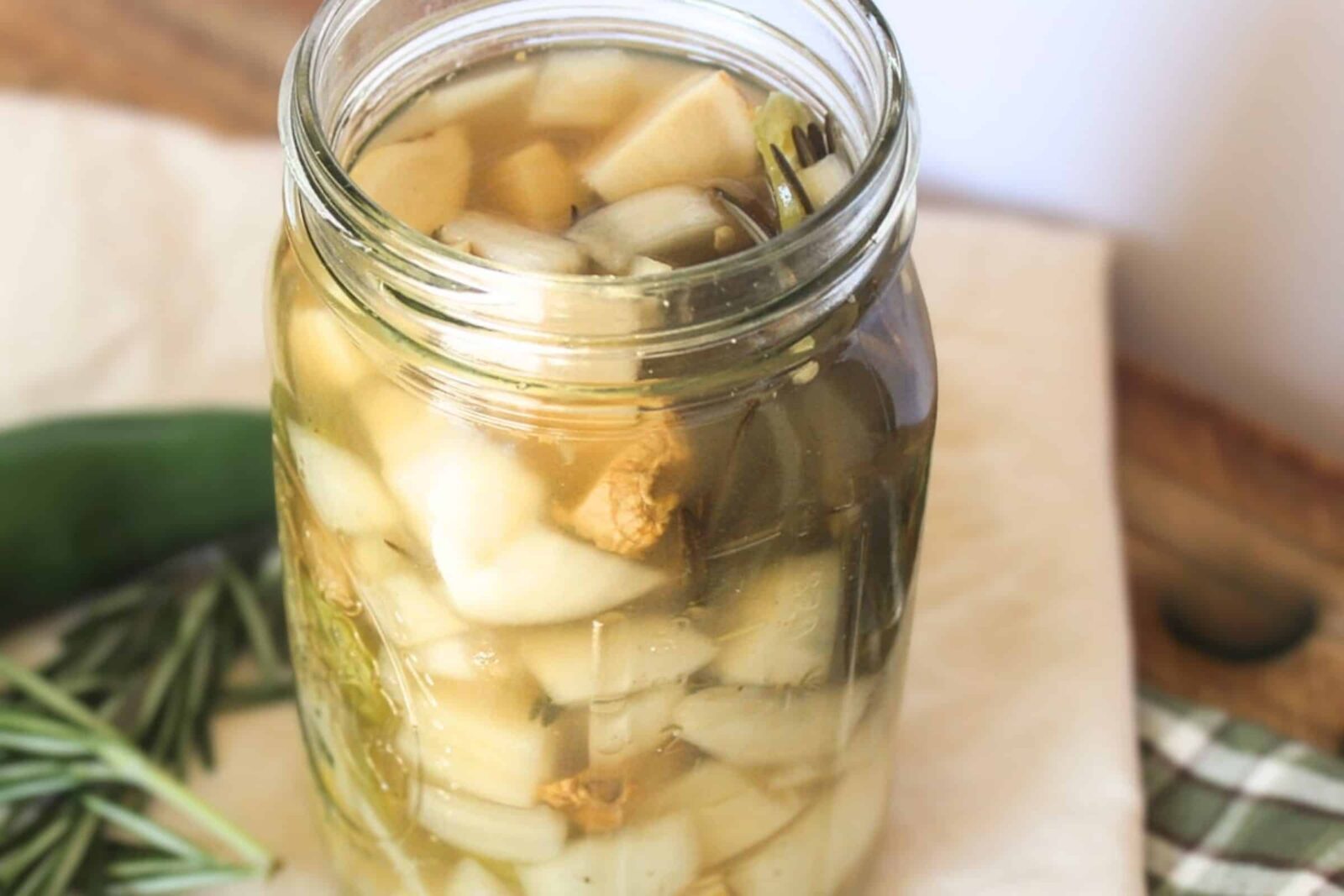
- Fill the jar: Add ginger, horseradish, onion, garlic, hot peppers, lemon, and herbs.
- Add vinegar: Cover ingredients with raw apple cider vinegar, leaving 1 inch of headspace.
- Seal & shake: Place parchment under lid to prevent corrosion. Shake gently.
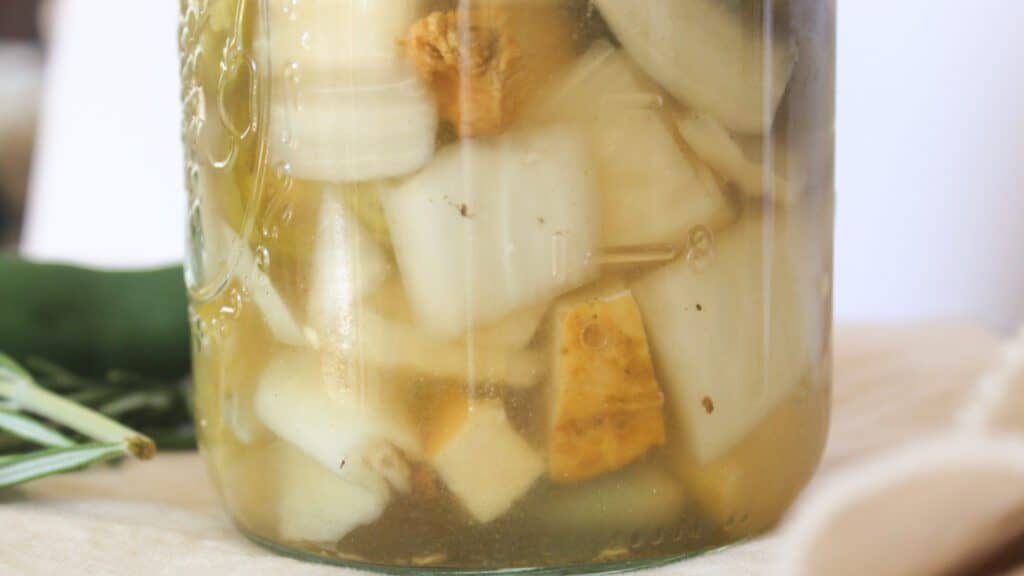
- Infuse: Store in a cool, dark place for 3–4 weeks. Shake daily if possible.
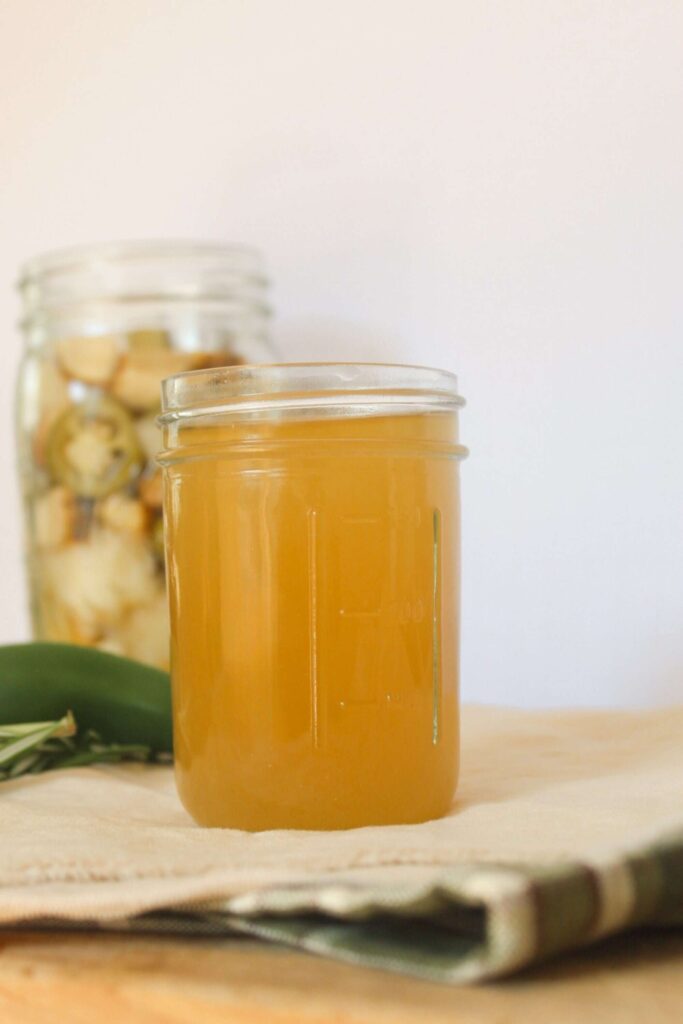
- Strain: Use a fine mesh strainer or cheesecloth.
- Sweeten (optional): Stir in raw honey to taste — especially helpful for kids.
- Store: Pour into clean bottles, label, and keep in a cool pantry or fridge.
Notes:
If using garlic, it may turn blue during the fermentation process. This is completely normal and generally safe to consume; however, if you feel uncomfortable with it, simply omit the garlic.
How to Use Fire Cider
- Daily tonic: 1–2 tablespoons daily
- First signs of illness: 1 tablespoon every few hours
- Salad dressing: Mix with olive oil
- Flavor enhancer: Add to soups, stews, or marinades
- Tea: Mix into warm water with honey
Tip: Introduce small sips to children — it’s potent but effective!
Storage and Shelf Life
Fire cider lasts at least 6 months at room temperature. Keep it in a cool, dark place. Refrigeration can extend freshness. Always use a clean spoon or syringe to dispense.
Fire Cider Variations
- Golden Fire Cider: Add turmeric + black pepper
- Citrus Fire Cider: Add orange slices
- Sweet & Spicy: Mix mild and hot peppers + extra honey
Why Make Your Own Fire Cider?
- Cost-effective: Homemade costs less than store-bought
- Customizable: Adjust spice, sweetness, and herbs
- Fresher: You control ingredient quality
FAQ
1. Why does garlic turn blue in fire cider?
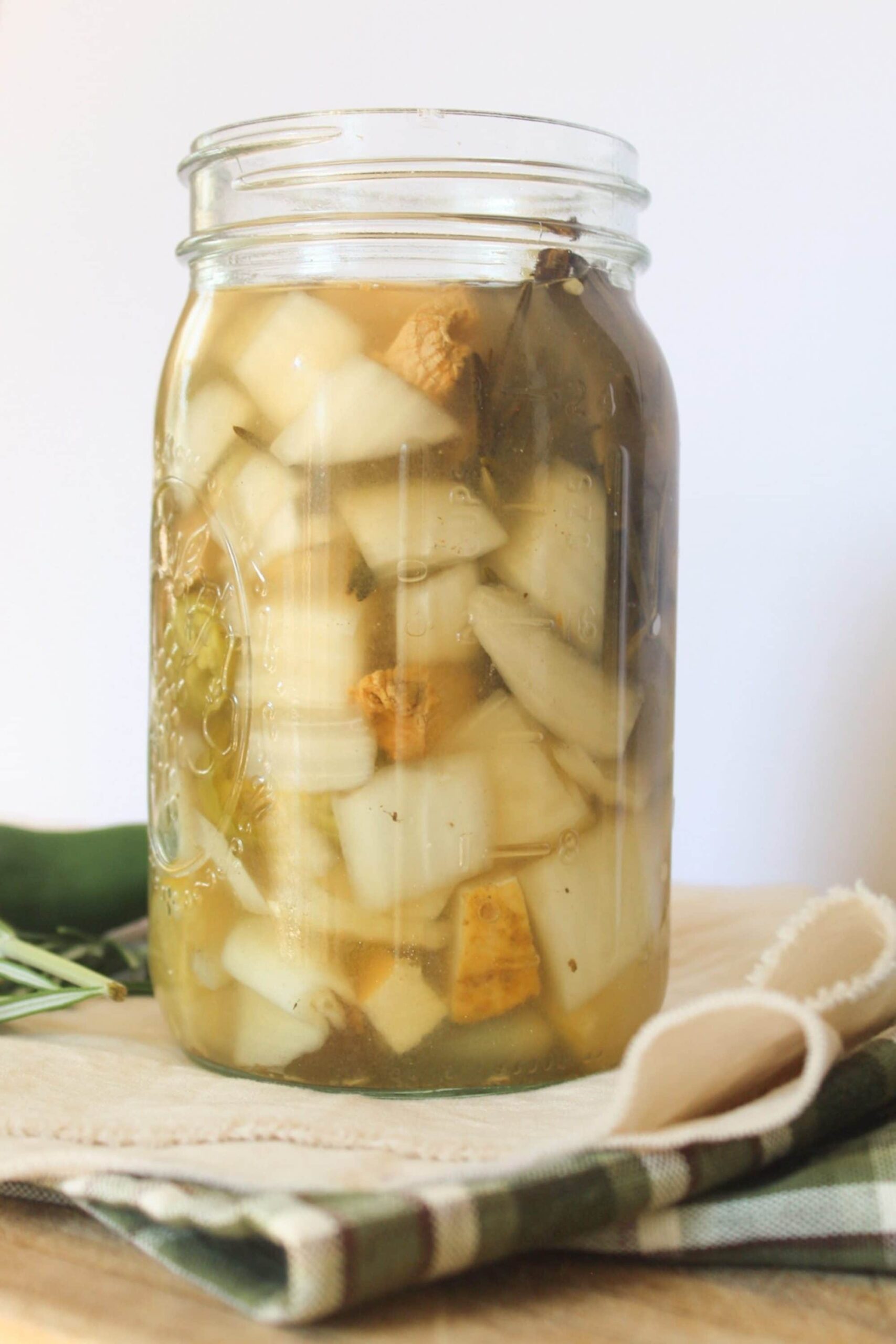
Garlic can turn blue or green during the vinegar infusion due to a natural chemical reaction. It’s completely normal and safe to consume, but if you prefer, you can omit garlic from your recipe.
2. How spicy should fire cider be?
The heat depends on the type and number of peppers used. Jalapeños are milder and kid-friendly, while cayenne or other hot peppers create a stronger kick. You can adjust the spice level to suit your taste or family needs.
3. Can I customize my fire cider recipe?
Yes! You can experiment with herbs like rosemary, thyme, or oregano, add turmeric and black pepper for anti-inflammatory benefits, or include orange slices for a sweeter flavor. Adjust ingredients to make it work for your family.
4. Can kids take fire cider?
Yes, but introduce it slowly in small sips. Adding honey after straining makes it more palatable for children. Always monitor tolerance and start with very small amounts.
5. How long does fire cider last?
Fire cider lasts at least 6 months when stored in a cool, dark place. Refrigeration is optional. A syringe is the easiest way to give it to kids.
6. Do I need to peel ginger or horseradish?
No peeling is necessary if your roots are fresh and clean. Simply chop or crush them before adding to your jar for infusion.
7. How should I handle hot peppers safely?
Wear gloves when chopping hot peppers to avoid skin irritation. Avoid touching your eyes or face and wash cutting boards and knives thoroughly afterward.
8. How often should I shake my fire cider jar?
Shake the jar once daily during the 3–4 week infusion period. This helps extract flavors and nutrients evenly. After straining, no further shaking is needed.
9. Can I make fire cider without certain ingredients?
Yes. If you prefer, you can omit garlic, horseradish, or adjust peppers. Fire cider is highly customizable while still offering immune-supportive benefits.
10. Why make fire cider at home instead of buying it?
Homemade fire cider is fresher, customizable, and cost-effective. You can control the spice, sweetness, and quality of ingredients for your family’s preferences.
Fire Cider Recipe
Equipment
- Quart-sized glass jar (wide-mouth works best)
- Parchment paper (to protect the metal lid from vinegar)
- Fine mesh strainer or cheesecloth
- Clean bottles or jars for storage
Ingredients
- ½ cup fresh ginger root chopped
- ½ cup fresh horseradish root chopped
- 1 medium onion chopped
- 10 cloves garlic crushed
- 2 –3 small hot peppers sliced (jalapeño is the most tolerable if you’re giving this to kids)
- 1 lemon sliced
- 2 –3 sprigs fresh herbs optional: rosemary, thyme, oregano
- Raw apple cider vinegar enough to cover ingredients
- Raw honey to taste (added after straining)
Instructions
- Wash and chop ginger, horseradish, onion, and hot peppers into small pieces. Peel and crush garlic cloves. Slice lemon. You don’t need to peel the roots if they’re fresh and clean.
- Add ginger, horseradish, onion, garlic, hot peppers, lemon, and herbs to a quart jar.
- Pour raw apple cider vinegar over the mixture until all ingredients are fully submerged. Leave 1 inch of headspace at the top.
- Place a piece of parchment paper over the mouth of the jar before adding the lid to protect it from corrosion. Shake gently.
- Store in a cool, dark place. Shake once daily if possible to encourage extraction.
- After 3–4 weeks, strain through a fine mesh strainer or cheesecloth into a clean bowl.
- Stir in raw honey to taste. Some prefer a sweeter fire cider, others just a hint. I don’t always do this but it helps with kids getting it down so if you’re planning on giving this remedy to your children, I’d encourage you to sweeten it.
- Pour into clean bottles or jars. Label with the date and store in a cool pantry or refrigerator.
Notes
This traditional fire cider recipe is easy to make, whether you enjoy it daily as a preventative tonic, mix it into salad dressing, or sip it in warm tea, it’s a flavorful way to support your body naturally through the colder months.
Want to make more herbal remedies at home? Try this homemade cough syrup!

Hi, I’m Ashley — mama, maker, and lover of all things from-scratch. Around here, you’ll usually find me barefoot in the kitchen, covered in flour or beeswax, with kids underfoot and something simmering on the stove. I believe in slow living, simple joys, and the kind of home that smells like cinnamon rolls and sunshine. Find out more about me here.