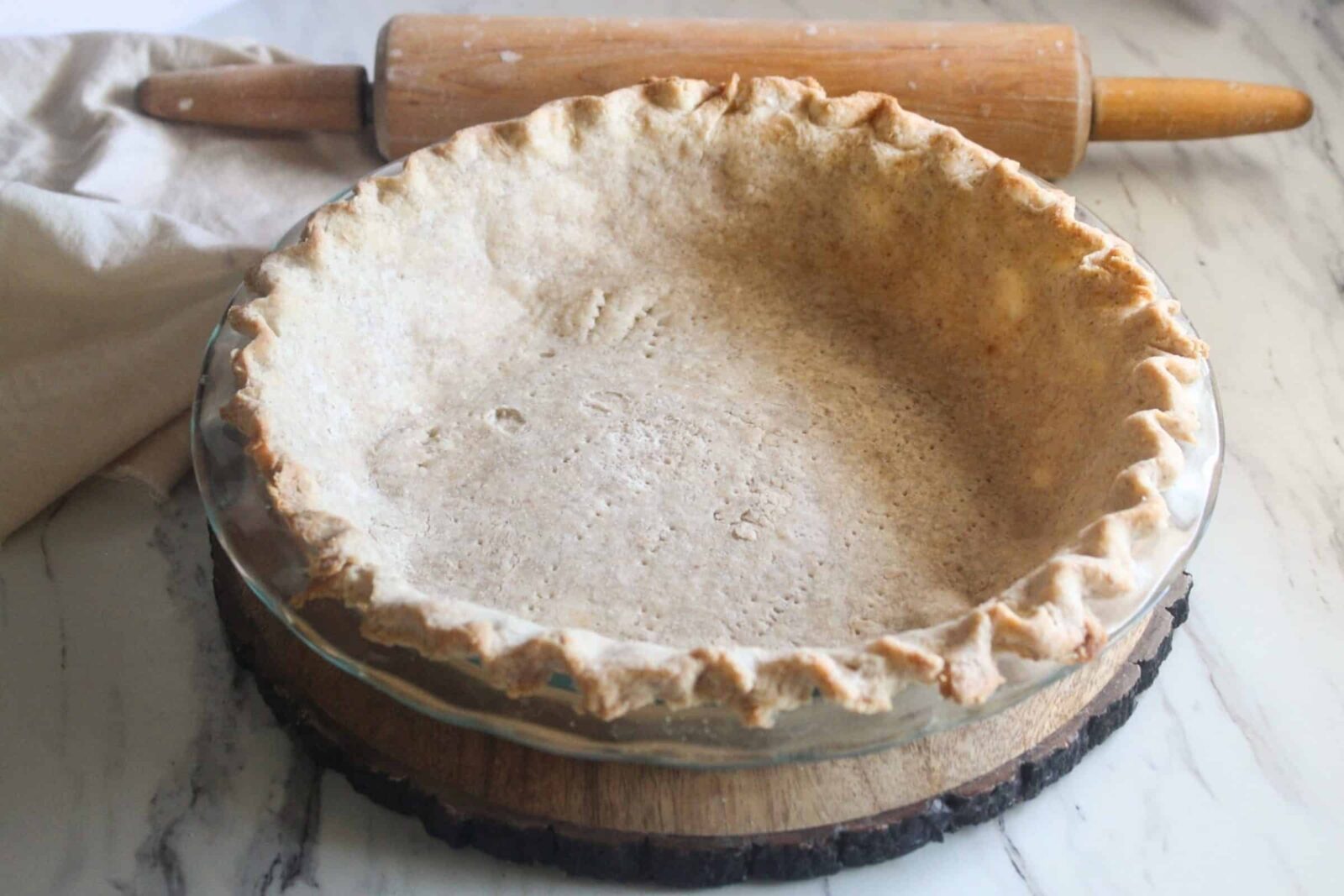
The first time I tried making a lard pie crust, I was surprised at how simple it was to get a tender, flaky crust that works perfectly for both quiche and fruit pies. It reminded me that some of the best baking comes from straightforward ingredients and techniques that have been used for generations. Making a lard pie crust today is easy, satisfying, and reliable for any sweet or savory pie.
This flaky lard pie crust is perfect for sweet recipes, like a sweet potato pie with toasted marshmallows that everyone will love.
Why Lard Pie Crust?
Lard might sound old-fashioned, but it’s trusted for good reason. Unlike butter, which adds flavor but can make the crust heavy, or shortening, which sometimes flattens the texture, lard creates a light, crisp, and perfectly layered pastry. It’s versatile enough for fruit pies, quiches, pot pies, and other recipes where a tender, flaky crust is key.
History of Lard in Baking
Lard has been a cornerstone of baking for centuries. Before butter and shortening were widely available, lard was prized for its ability to create tender, flaky pastries. Many traditional pie recipes relied on rendered leaf lard, which comes from around a pig’s kidneys, for its pure, neutral flavor and ability to produce beautifully layered crusts. Over time, butter became more popular for flavor and convenience, while shortening was marketed for ease of use, causing lard to fall out of everyday kitchens. But for bakers who value texture above all else, lard remains the gold standard—especially for pies, quiches, and savory pastries.
Old Fashioned Lard Pie Crust Recipe
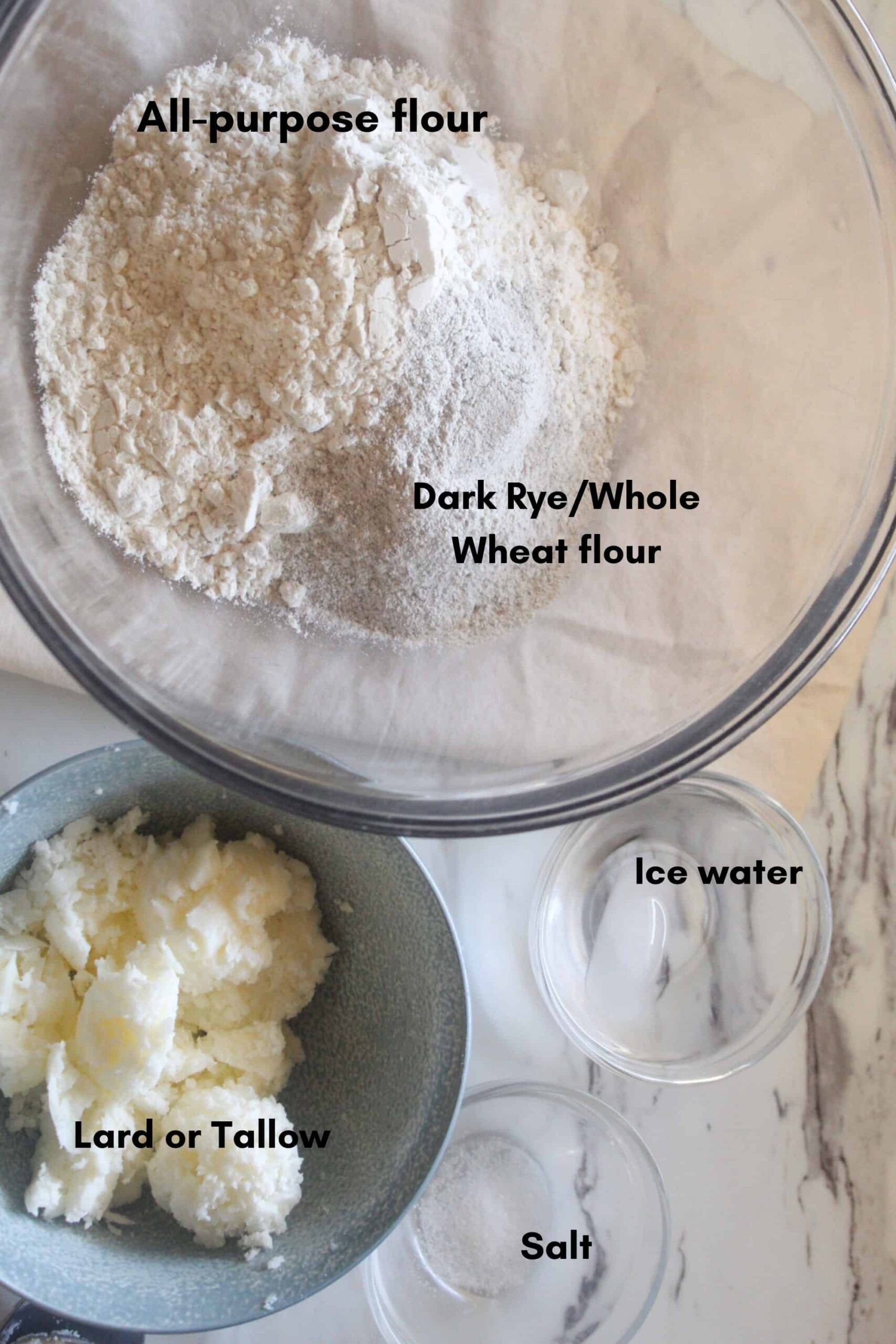
Ingredients
- 1 ⅓ cups (160 g) all-purpose flour
- ¼ cup (30 g) whole wheat flour or dark rye flour (optional, for added nuttiness & structure)
- ½ tsp fine sea salt
- 9 tbsp (95 g) cold lard, cubed
- 8–11 tbsp ice water
Tip: Add ice water gradually, starting with 8 tbsp, until the dough just comes together.
How to Make a Flaky Lard Pie Crust
- In a mixing bowl, whisk together the flours and salt.
- Cut in the lard using a pastry cutter or your fingertips until the mixture resembles coarse crumbs with pea-sized bits.
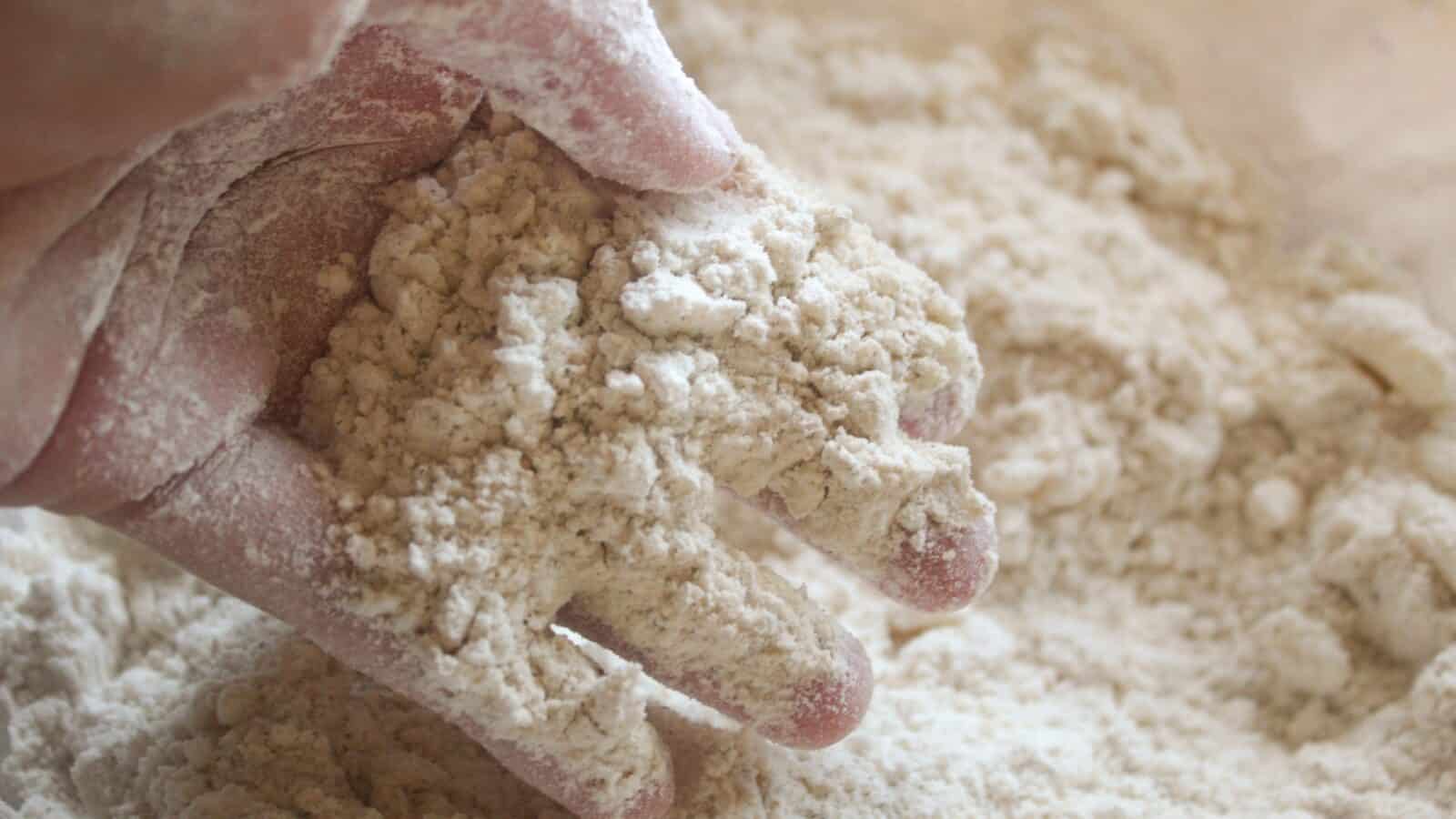
- Sprinkle in ice water, one tablespoon at a time, stirring gently until the dough just comes together.
- Shape into a ball, flatten into a disk, wrap in parchment, and chill for 30 minutes.
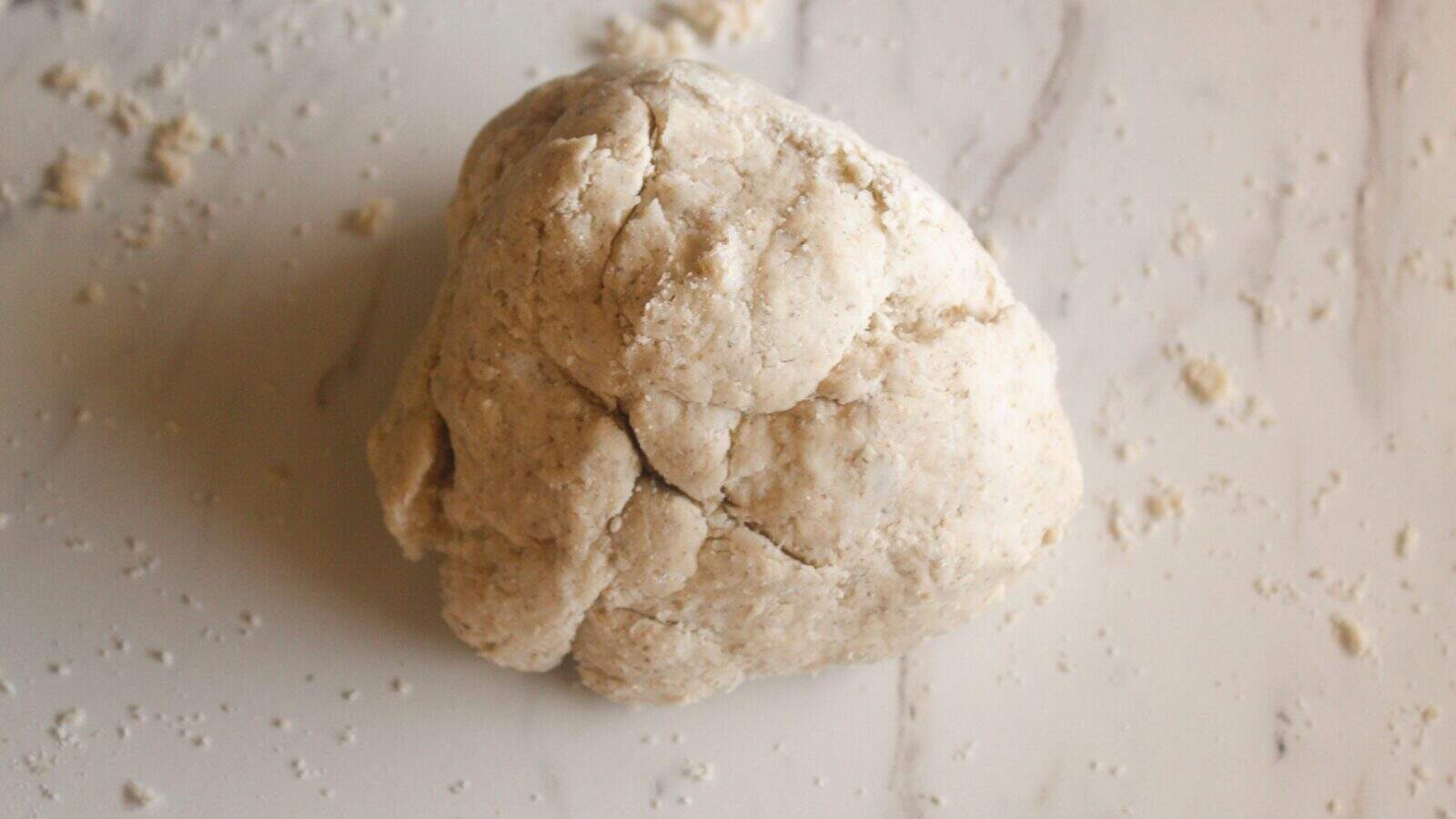
- Roll out on a lightly floured surface and fit into your pie plate.
- For a double crust pie, repeat the recipe.
FAQs & Troubleshooting
Why is my lard pie crust tough?
Overworking the dough can make it tough. Mix only until it comes together and let it rest in the fridge to relax the gluten.
Why does my lard pie crust fall apart?
If the dough crumbles, it may need a touch more water. Add it gradually until it holds together when pressed, but don’t overdo it.
Why does my lard crust taste greasy?
Soft lard can smear instead of forming layers. Always start with very cold lard and chill the dough before rolling.
Can I substitute butter for lard?
Yes, but it won’t produce the same flakiness. Butter adds flavor, while lard gives the signature layered texture. Some bakers use a mix of both.
What is leaf lard and do I need it?
Leaf lard is the highest-quality lard, taken from around the pig’s kidneys. It’s neutral in flavor and ideal for baking. Regular rendered lard works fine, but leaf lard gives the most delicate results.
Can I use this crust for savory pies?
Absolutely! Lard crust is neutral in flavor and holds up beautifully under heavier fillings like quiche or chicken pot pie.
Tips for a Flaky, Perfect Lard Pie Crust
- Keep ingredients cold to ensure flakiness.
- Chill the dough before rolling to make it easier to work with and prevent shrinking.
- For blind baking, line the crust with parchment and use pie weights or dried beans to maintain its shape.
Prevent Soggy Bottoms, Shrinkage, and Uneven Browning in Pie Crusts
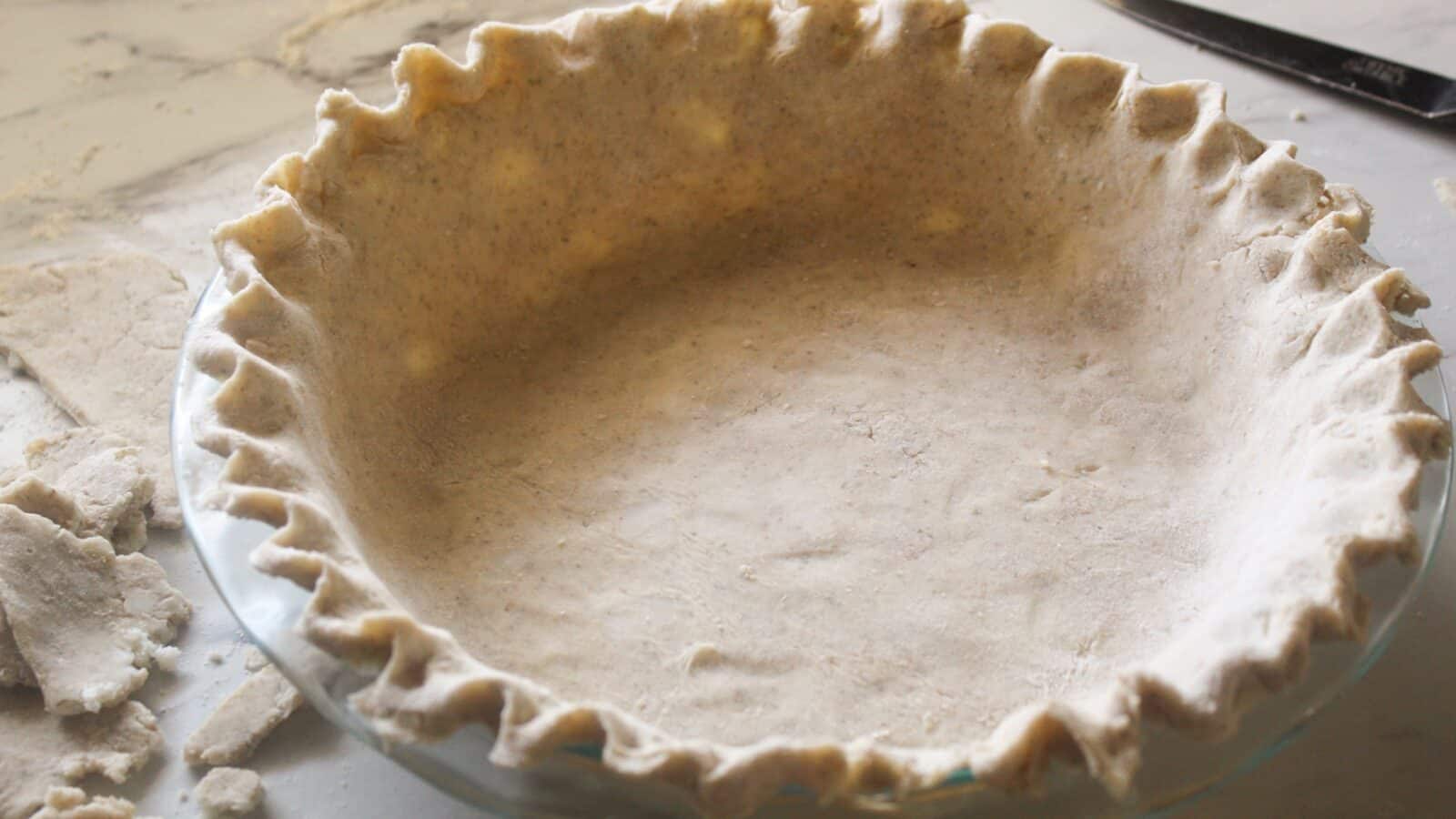
Even the best lard pie crust can suffer if baked incorrectly. Here’s how to avoid common issues and ensure your crust turns out perfectly every time:
1. Prevent Soggy Bottoms
Soggy bottoms often happen with wet fillings like quiche, custard pies, or fruit pies. To prevent this:
- Blind bake your crust before adding wet fillings. Line with parchment paper and fill with pie weights, dried beans, or rice. Bake until lightly golden, then add your filling.
- Preheat a cookie sheet in your oven and place your pie pan on it while baking. This directs heat evenly to the bottom of the crust.
- Brush with egg wash or melted chocolate (optional) on the crust bottom to create a moisture barrier for fruit pies.
2. Avoid Shrinkage
Pie crusts shrink when the dough is stretched or overworked. To minimize shrinkage:
- Chill your dough thoroughly before rolling and again after lining the pie pan.
- Gently roll the dough to fit the pan without stretching it.
- Use cold ingredients and handle the dough minimally to prevent excess gluten development.
3. Ensure Even Browning
Uneven browning can make your pie look unappetizing. To get a consistent golden crust:
- Rotate the pie halfway through baking for even exposure to heat.
- Protect edges that brown too quickly with foil or a pie shield.
- Make sure the oven is fully preheated and not overcrowded, which can interfere with airflow and baking consistency.
By following these tips, your lard pie crust will come out flaky, golden, and perfectly cooked—ready to hold any sweet or savory filling without compromise.
Bringing Back Old-Fashioned Baking
Even if lard wasn’t part of your own kitchen growing up, it’s easy to see why so many bakers trusted it. Making a lard pie crust today is a simple way to enjoy a tender, flaky pastry that has stood the test of time. Once you try it, you’ll likely reach for lard every time you want a classic, reliable crust.
Old Fashioned Lard Pie Crust
Ingredients
- 1 ⅓ cups 160 g all-purpose flour
- ¼ cup 30 g whole wheat flour (optional, for added nuttiness & structure)
- ½ tsp fine sea salt
- 9 tbsp 95 g cold lard, cubed
- 8-11 tbsp ice water
Instructions
- In a mixing bowl, whisk together the flours and salt.
- Cut in the lard using a pastry cutter or your fingertips until the mixture resembles coarse crumbs with pea-sized bits.
- Sprinkle in ice water, one tablespoon at a time, stirring gently until the dough just comes together.
- Shape into a ball, flatten into a disk, wrap in parchment, and chill for 30 minutes.
- Roll out on a lightly floured surface and fit into your pie plate.
- For a double crust pie, repeat the recipe.
Notes
Bake your favorite pies using this recipe and share your creations—I’d love to hear how your lard pie crust turns out!

Hi, I’m Ashley — mama, maker, and lover of all things from-scratch. Around here, you’ll usually find me barefoot in the kitchen, covered in flour or beeswax, with kids underfoot and something simmering on the stove. I believe in slow living, simple joys, and the kind of home that smells like cinnamon rolls and sunshine. Find out more about me here.