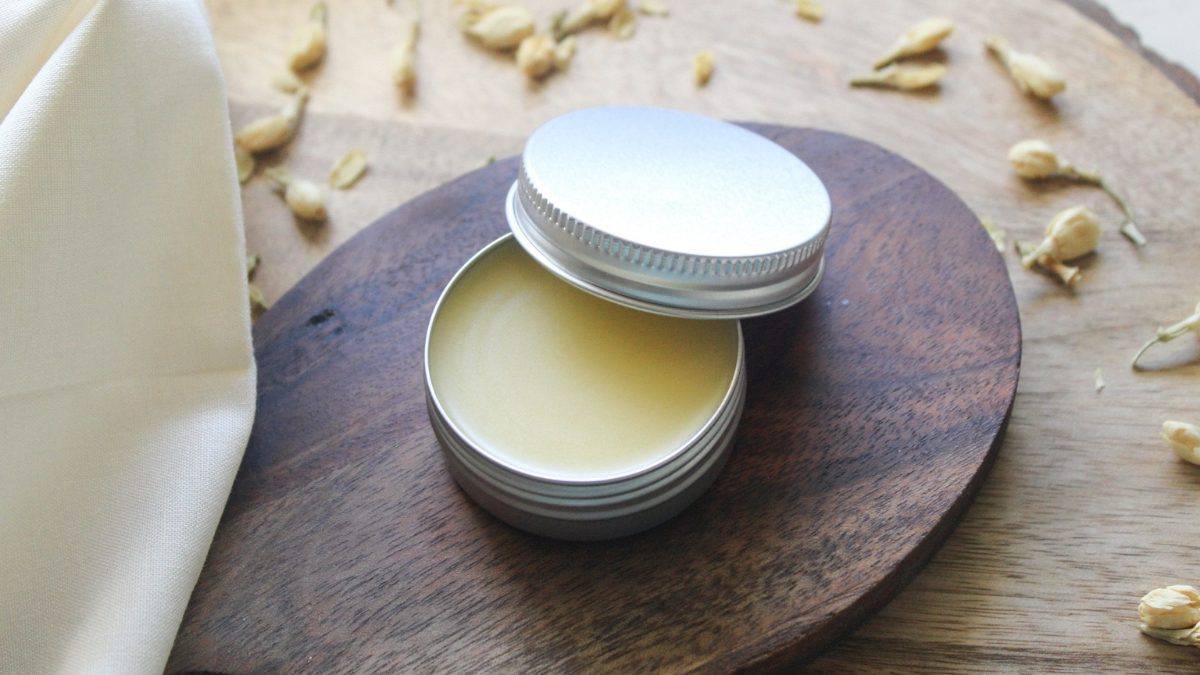
If you’re looking for a deeply moisturizing, simple tallow lip balm recipe that you can make at home, this is for you. Tallow, a traditional fat rendered from beef (or even venison), is rich in vitamins and fatty acids that make it a superior base for lip balms, salves, and creams. When paired with beeswax, this balm locks in moisture and protects your lips naturally—without any of the synthetic ingredients found in store-bought lip products.
In this post, I’ll show you exactly how to make a tallow lip balm recipe with beeswax, discuss why tallow is such a powerful skin-nourishing ingredient, how you can substitute deer tallow if desired, and ways to customize your balm.
Disclosure: This post may contain affiliate links. If you click through and make a purchase, I may earn a small commission at no extra cost to you.
Why Use Tallow in Lip Balm?
Tallow is rendered fat—typically from beef, though deer, sheep, or goat fat can also be used. It’s long been cherished in traditional skincare routines, prized for its ability to nourish, protect, and heal the skin. Because its fatty acid profile closely matches that of our own skin, tallow absorbs beautifully and helps support the skin’s barrier without clogging pores.
Tallow is naturally rich in:
- Vitamins A, D, E, and K – which support skin repair and regeneration
- Stearic and palmitic acids – for barrier support and deep hydration
- CLA (conjugated linoleic acid) – with natural anti-inflammatory and antimicrobial properties
These properties make tallow an ideal ingredient for lip balm, especially during colder months or for those prone to dry, cracked lips.
New to using tallow? Here’s how to render tallow in a crock pot — a slow, hands-off method that results in clean, creamy tallow perfect for skincare use.
Beeswax for Making Lip Balm
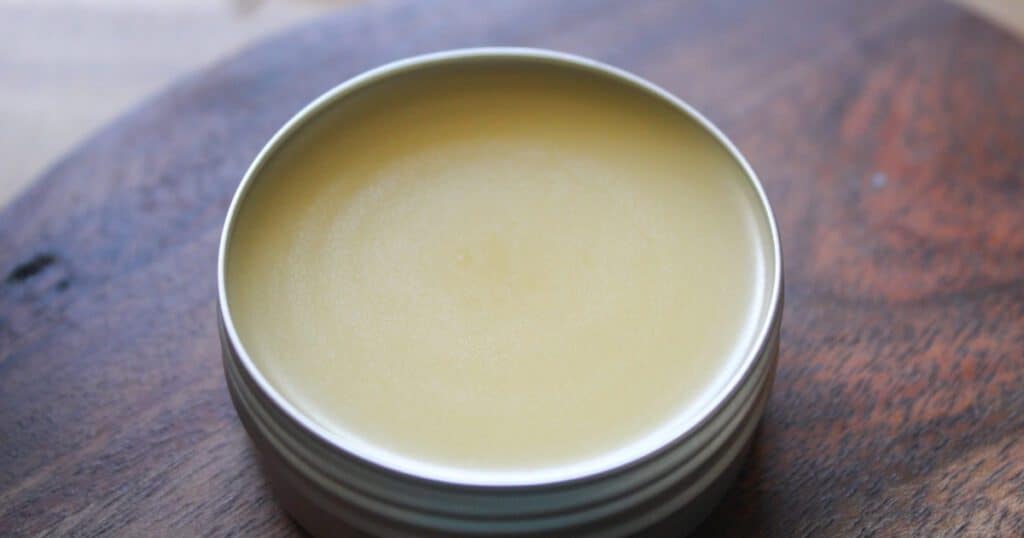
Beeswax gives this lip balm recipe its firm texture and adds an additional layer of protection to your lips. It forms a breathable barrier, sealing in moisture while shielding delicate lip skin from wind and weather.
Beeswax also brings its own benefits:
- Antibacterial and anti-inflammatory properties
- A touch of natural sweetness in scent
- Vitamin A for skin cell regeneration
Together, tallow and beeswax create a lip balm that’s hard to beat—simple, nourishing, and long-lasting.
Simple Tallow Lip Balm Recipe (With Beeswax)
This is a simple tallow lip balm recipe that uses only a few ingredients. It makes about 6–8 standard lip balm tubes or a few small metal tins.
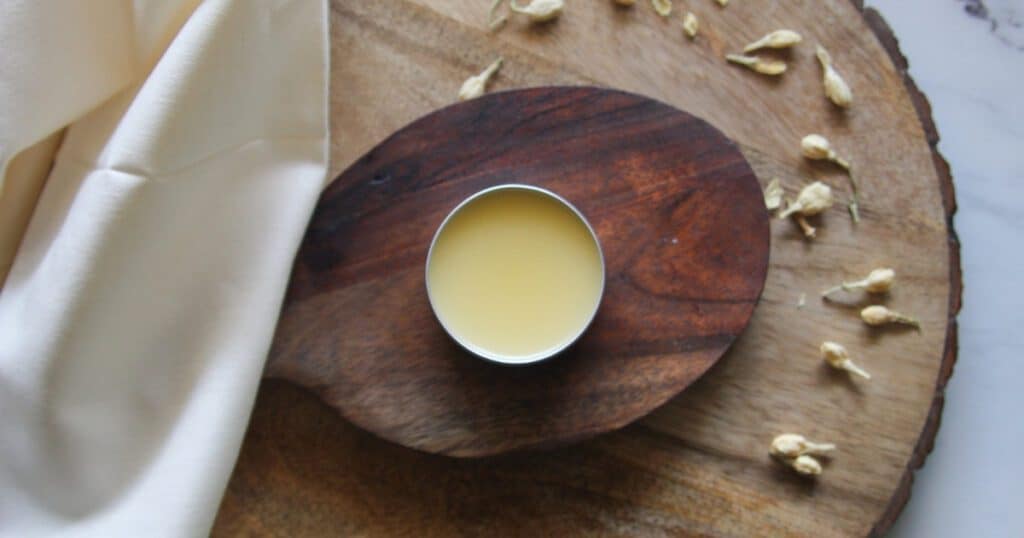
Ingredients:
- 2 tablespoons rendered beef tallow (this is a great option if you don’t render your own)
- 1 teaspoon beeswax pastilles or finely grated beeswax
- ½ teaspoon jojoba oil or olive oil (optional, for smoother application)
- Optional: 1/8 tsp beetroot powder (to naturally tint lip balm)
Instructions:
- Melt
In a heat-safe glass jar or double boiler, gently melt the tallow and beeswax over low heat. Stir occasionally until fully liquid. - Add oils
Stir in jojoba or olive oil, and beetroot powder if you are tinting the lip balm. Mix thoroughly and remove from heat. - Pour
Carefully pour into empty lip balm tubes, small tins, or jars. A small funnel or dropper makes this step easier. - Cool
Let your lip balm cool and harden at room temperature (about 1 hour). Once solid, cap and label. - Store
Store at room temperature in a cool, dry spot. This balm will last at least 12 months due to the stability of both tallow and beeswax.
Can You Use Deer Tallow in Lip Balm?
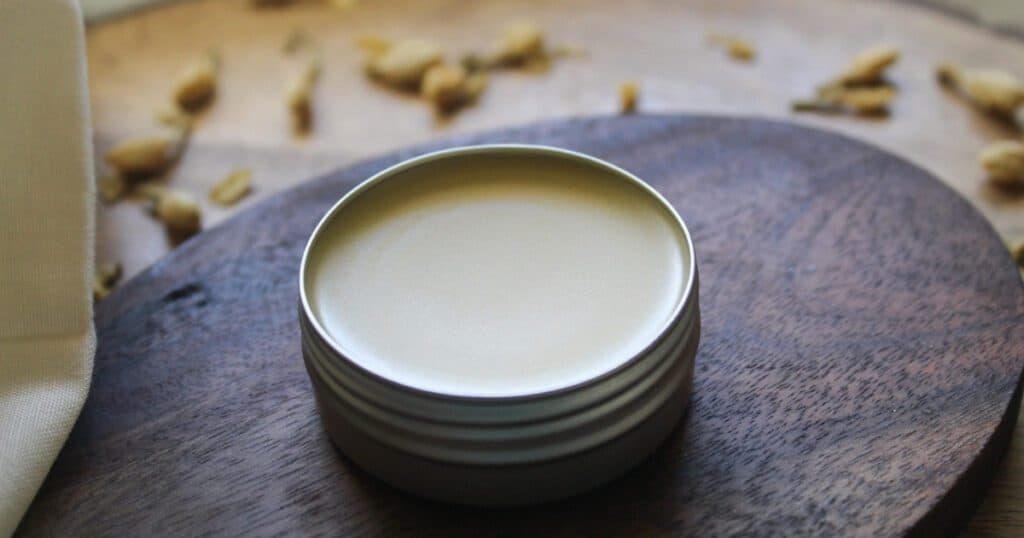
Yes—this can easily become a deer tallow lip balm recipe. If you’re a hunter or have access to wild game, deer tallow makes an excellent, sustainable alternative to beef tallow.
Simply substitute deer tallow in place of the beef tallow in the same quantity.
Deer tallow has a slightly stronger natural scent than beef, but this can be minimized by blending it with a small amount of coconut oil or shea butter. Once rendered and strained properly, deer tallow offers the same moisturizing and skin-supportive benefits, with the added satisfaction of using every part of the animal.
This is an excellent way to extend your homesteading or hunting lifestyle into everyday self-care.
Homemade Lip Balm Ideas
Once you’ve made the base recipe, there are endless ways to make it your own:
- Add butters: A bit of shea butter or cocoa butter adds richness and extra skin-conditioning benefits. You can also swap the jojoba oil for this calendula oil recipe on my website.
- Essential oils: Use skin-safe oils like vanilla or peppermint Avoid citrus oils if you’ll be in the sun.
- Tint it: Add a pinch of beetroot powder or a natural mica to give your balm a subtle tint.
- Make it glossier: Increase the amount of jojoba oil slightly for a more glossy balm.
Why Make Your Own Lip Balm?
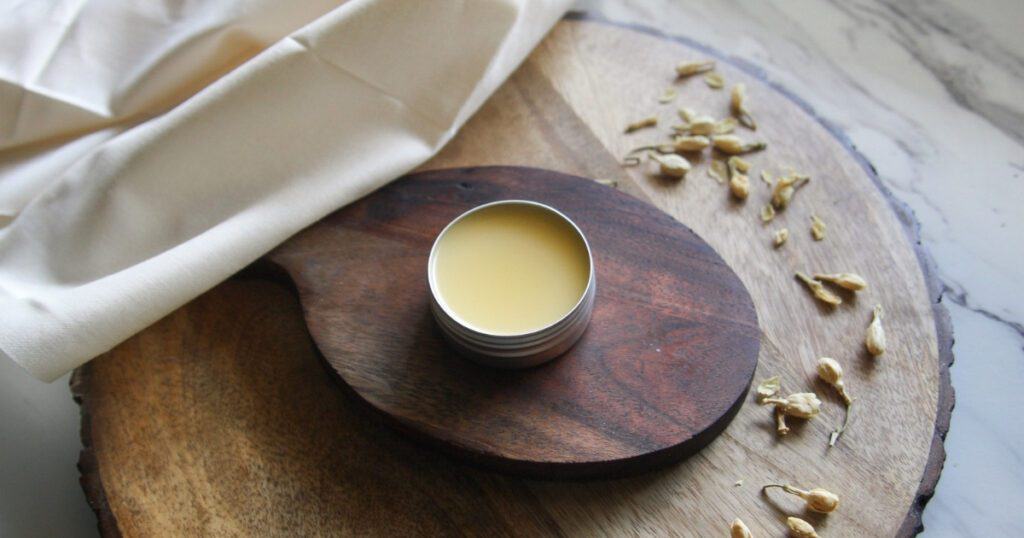
When you make your own homemade lip balm, you control the quality of each ingredient. Most commercial lip balms contain petroleum derivatives, synthetic fragrances, preservatives, and other fillers that can dry your lips out over time. In contrast, this balm is:
- 100% natural and non-toxic
- Deeply moisturizing and healing
- Budget-friendly (especially if you already render your own tallow)
- A great DIY gift or market product
Whether you’re an experienced homesteader or just looking for a clean, effective alternative to commercial lip balm, this tallow lip balm recipe with beeswax is a great place to start. It’s deeply moisturizing, simple to make, and endlessly customizable.
And if you have deer tallow from your fall harvest, go ahead and use it! This deer tallow lip balm recipe adapts beautifully—just swap out the beef tallow and follow the same steps.
Don’t forget to check out my step-by-step guide to rendering tallow in a crock pot if you need help preparing your base fat. It’s easier than you might think, and once you’ve made a batch, you’ll find endless ways to use it in your natural skincare routine.
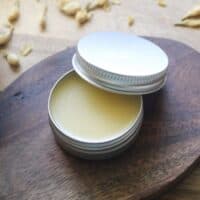
Tallow Lip Balm Recipe
Ingredients
- 2 Tbsp beef or deer tallow
- 1 tsp beeswax
- ½ tsp jojoba oil or olive oil
- ⅛ tsp beetroot powder (optional)
Instructions
Melt
- In a heat-safe glass jar or double boiler, gently melt the tallow and beeswax over low heat. Stir occasionally until fully liquid.
Add oils
- Stir in jojoba or olive oil, and beetroot powder if you are tinting the lip balm. Mix thoroughly and remove from heat.
Pour
- Carefully pour into empty lip balm tubes, small tins, or jars. A small funnel or dropper makes this step easier.
Cool
- Let your lip balm cool and harden at room temperature (about 1 hour). Once solid, cap and label.
Store
- Store at room temperature in a cool, dry spot. This balm will last at least 12 months due to the stability of both tallow and beeswax.
Leave a review!
Like this recipe? leave a rating and review below this post to let me know!

Hi, I’m Ashley — mama, maker, and lover of all things from-scratch. Around here, you’ll usually find me barefoot in the kitchen, covered in flour or beeswax, with kids underfoot and something simmering on the stove. I believe in slow living, simple joys, and the kind of home that smells like cinnamon rolls and sunshine. Find out more about me here.