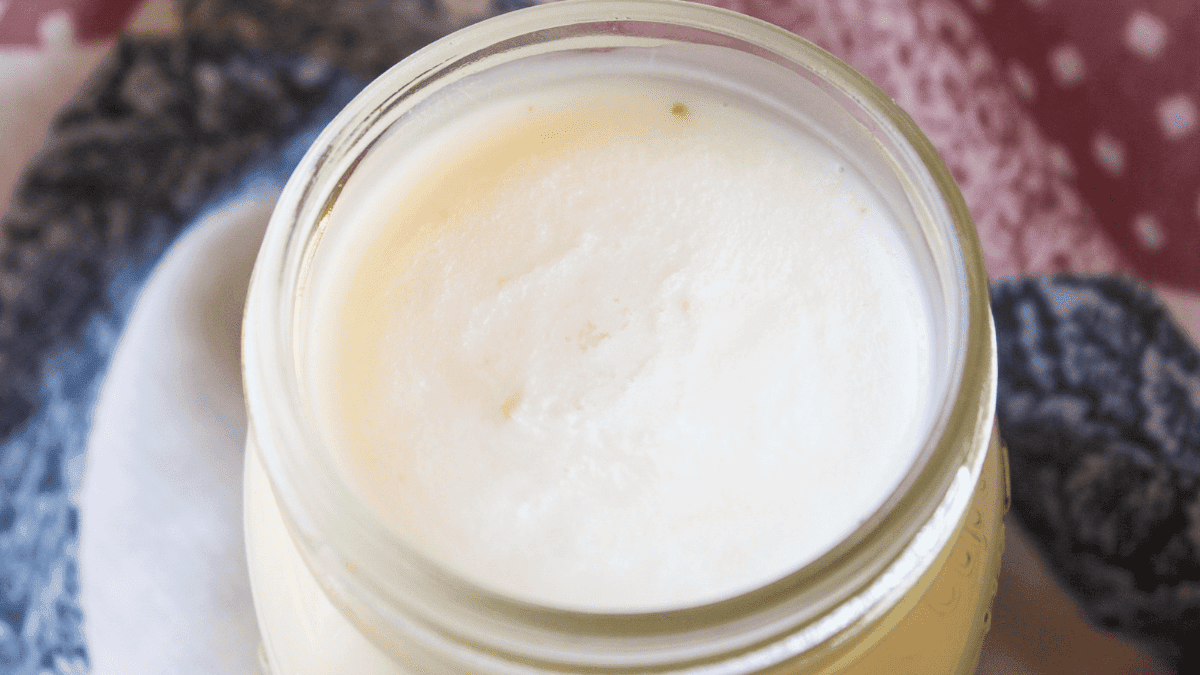
Rendering tallow is a simple and rewarding process that allows you to transform beef fat into a versatile cooking fat with numerous uses, from frying to baking and even skincare. Using a crock pot makes this process even easier, as it allows for a low and slow cooking method that requires minimal hands-on time. Here’s a step-by-step guide on how to render tallow in a crock pot.
Disclosure: This post may contain affiliate links. That means I may earn a small commission if you purchase through them, at no additional cost to you.
What You’ll Need
- Beef fat: You can purchase beef fat (suet) from your local butcher or farmer. Aim for high-quality, grass-fed beef fat for the best results.
- Crock pot: A standard-sized crock pot will work well for this process.
- Fine mesh strainer or cheesecloth: For filtering the rendered tallow.
- Glass jars or containers: For storing the finished tallow.
Instructions on How to Render Tallow in a Crock Pot
1. Prepare the Beef Fat:
- Start by trimming any meat or connective tissue from the beef fat. This helps ensure a clean and flavorful tallow.
- Cut the fat into small pieces, about 1-2 inches in size. This increases the surface area and helps the fat render more efficiently.
2. Add Fat to the Crock Pot:
- Place the chopped beef fat into the crock pot. There’s no need to add water, as the fat will release its own moisture during the cooking process.
3. Set the Temperature:
- Cover the crock pot and set it to low. This allows the fat to slowly melt without burning. Depending on the amount of fat you have, rendering can take anywhere from 4 to 8 hours.
4. Stir Occasionally:
- Every hour or so, give the fat a gentle stir. This helps distribute the heat and prevents any pieces from sticking to the bottom. You’ll start to see the fat melting and turning into liquid.
5. Monitor the Process:
- As the fat renders, you’ll notice it separating from the solid bits. Continue to cook until the liquid fat appears clear and the solids turn brown.
6. Strain the Tallow:
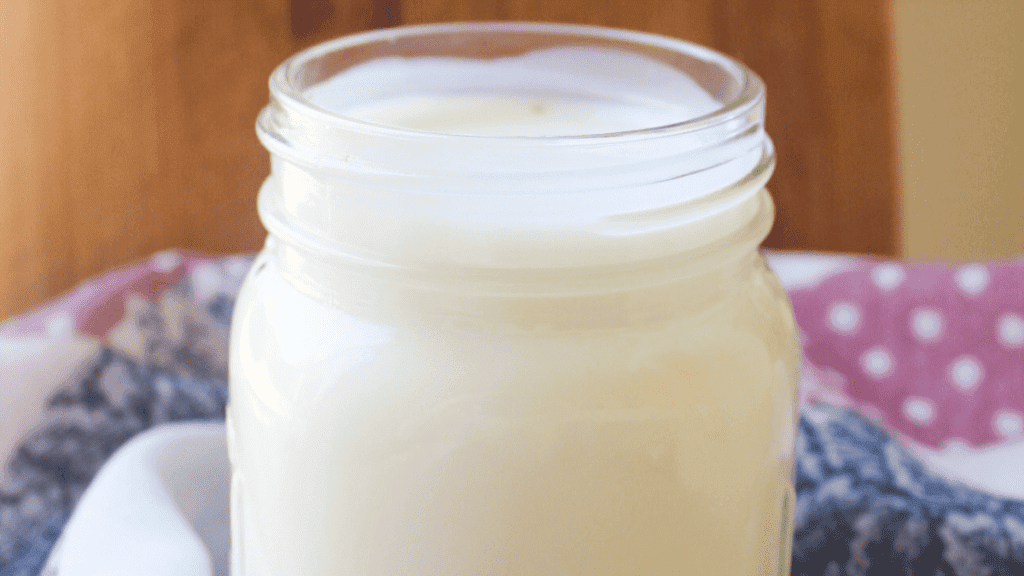
- Once the fat is fully rendered, it’s time to strain it. Place a fine mesh strainer or cheesecloth over a large bowl or pot. Carefully pour the liquid fat through the strainer to remove any solid bits. You may want to strain it a second time for a cleaner tallow.
7. Store the Tallow:
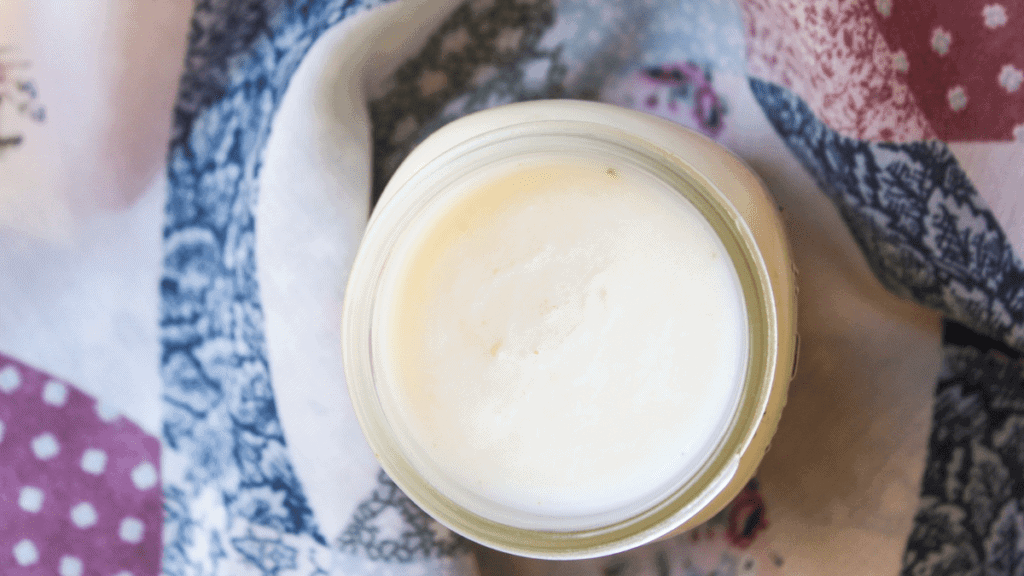
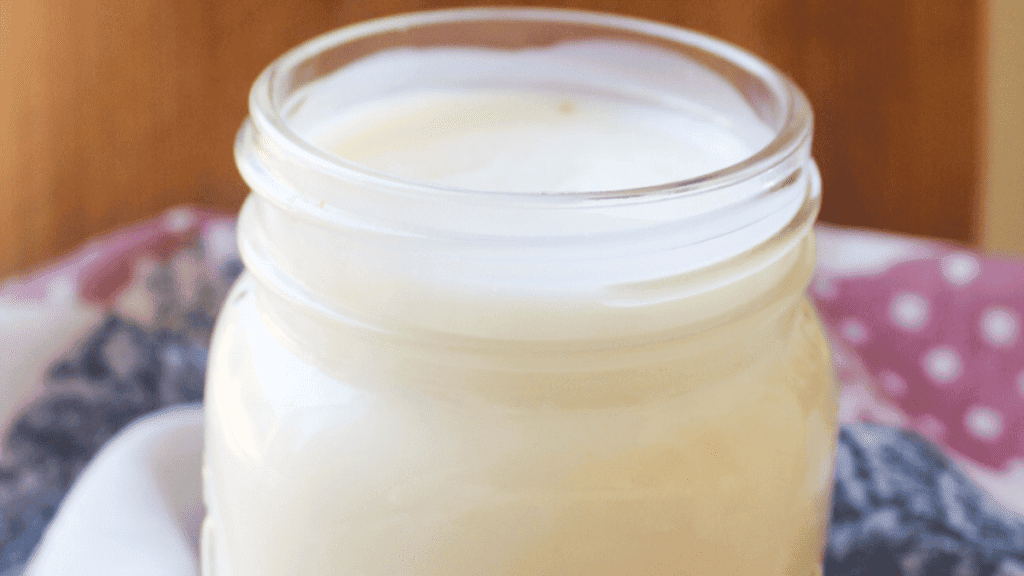
- Transfer the strained tallow into glass jars or containers while it’s still warm. Allow the tallow to cool at room temperature, then cover and store it in the refrigerator or freezer. Properly rendered and stored tallow can last for several months.
Tips and Uses for Tallow
- Cooking: Tallow has a high smoke point, making it excellent for frying and roasting. Use it as a substitute for oil or butter in recipes.
- Baking: Incorporate tallow into pie crusts or other baked goods for added richness.
- Skincare: Tallow can be used in homemade lotions and balms, as it’s moisturizing and nourishing for the skin.
- Soap Making: Rendered tallow is also a popular ingredient in traditional soap making.
Why Render Tallow at Home?
Rendering your own tallow allows you to control the quality and purity of this traditional fat. Unlike many store-bought fats that may contain preservatives or additives, homemade tallow is pure beef fat, often sourced from grass-fed or pasture-raised cattle, resulting in a cleaner flavor and better nutrition profile. Plus, rendering tallow at home is an eco-friendly way to use parts of the animal that might otherwise go to waste, supporting a nose-to-tail approach to cooking.
Tips for the Best Tallow
- Choose the Right Fat: The best fat for rendering tallow is called suet, which is the hard fat found around the kidneys and loins of beef. Suet has less connective tissue and a higher melting point, producing a firmer, cleaner tallow. If you can’t find suet, trimmed fat from other beef cuts works well too.
- Keep It Low and Slow: Patience is key. Rendering fat at low heat helps prevent burning or a strong “off” smell. Crock pots are ideal because they maintain a consistent low temperature, letting the fat slowly melt and separate from any bits of connective tissue.
- Don’t Rush Straining: Once the fat is melted, it’s important to strain it well. Use multiple layers of cheesecloth or a very fine mesh strainer to catch all the tiny solid particles. These solids, known as cracklings, can be saved and enjoyed as a snack or used in recipes for added flavor.
Troubleshooting Common Issues
- Tallow Smells Strong or Off: If your rendered tallow smells unpleasant, it might be because the fat was old, had too much meat attached, or cooked at too high a temperature. Always start with fresh fat, trim well, and keep the crock pot on low.
- Tallow is Cloudy or Soft: Properly rendered tallow should be clear and firm at room temperature. If it’s cloudy or soft, it might still contain impurities or moisture. Re-melt the tallow gently and strain it again to remove remaining solids.
- Cracklings Burn: When stirring, be gentle and keep the temperature steady. Burnt cracklings can impart a bitter taste to the tallow.
How to Use Cracklings
The leftover browned bits from rendering tallow — called cracklings — are a delicious treat. You can salt and eat them as a snack, sprinkle them on salads or baked potatoes, or add to cornbread batter for a nice crunch.
Storing Your Tallow
Proper storage is key to keep your tallow fresh and usable for months.
- Room Temperature: If your kitchen is cool and the tallow is well-rendered and strained, it can be stored in an airtight container at room temperature for up to a month.
- Refrigerator: For longer shelf life (3-6 months), keep tallow in the fridge in a sealed jar.
- Freezer: For the longest storage, freeze tallow in airtight containers or freezer bags. It can last a year or more when frozen properly.
Rendering tallow in a crock pot is a straightforward process that yields a versatile cooking fat with many benefits. By following these steps, you can enjoy the satisfaction of making your own tallow while reducing waste and enhancing your culinary creations. Give it a try, and you’ll appreciate the rich flavor and quality of homemade tallow!
How to Render Tallow in a Crock Pot
Equipment
- Crock Pot
- Fine Mesh Strainer
- Glass Jars or Containers
Ingredients
- 2 lbs Beef Fat
Instructions
- Cut the fat into small pieces, about 1-2 inches in size. This increases the surface area and helps the fat render more efficiently.
- Place the chopped beef fat into the crock pot. There’s no need to add water, as the fat will release its own moisture during the cooking process.
- Cover the crock pot and set it to low. This allows the fat to slowly melt without burning. Depending on the amount of fat you have, rendering can take anywhere from 4 to 8 hours.
- As the fat renders, you’ll notice it separating from the solid bits. Continue to cook until the liquid fat appears clear and the solids turn brown.
- Once the fat is fully rendered, it’s time to strain it. Place a fine mesh strainer or cheesecloth over a large bowl or pot. Carefully pour the liquid fat through the strainer to remove any solid bits. You may want to strain it a second time for a cleaner tallow.
- Transfer the strained tallow into glass jars or containers while it’s still warm. Allow the tallow to cool at room temperature, then cover and store it in the refrigerator or freezer. Properly rendered and stored tallow can last for several months.
Check out more recipes here:
Same Day Sourdough Dinner Rolls

Hi, I’m Ashley — mama, maker, and lover of all things from-scratch. Around here, you’ll usually find me barefoot in the kitchen, covered in flour or beeswax, with kids underfoot and something simmering on the stove. I believe in slow living, simple joys, and the kind of home that smells like cinnamon rolls and sunshine. Find out more about me here.